
Access and Entry

Access and Entry Technologies
Access and entry technologies manage who may enter a building, room, gate, or protected area. A complete solution combines credentials, readers, controllers, locks, intercoms, audit records, life-safety requirements, and clear operating procedures.
Explore access and entry technologies
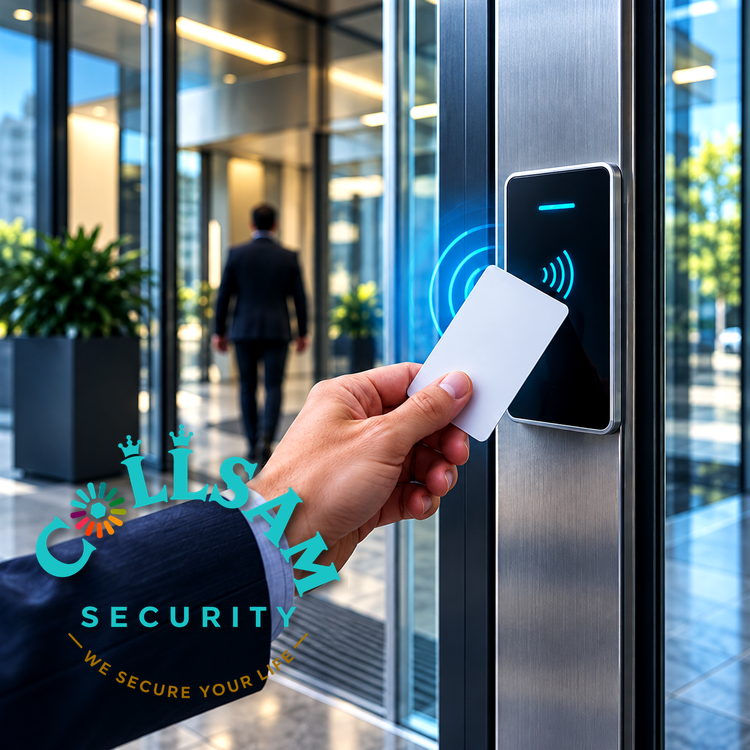 RFID and Smart Cards
First, use contactless cards or tags as managed credentials.
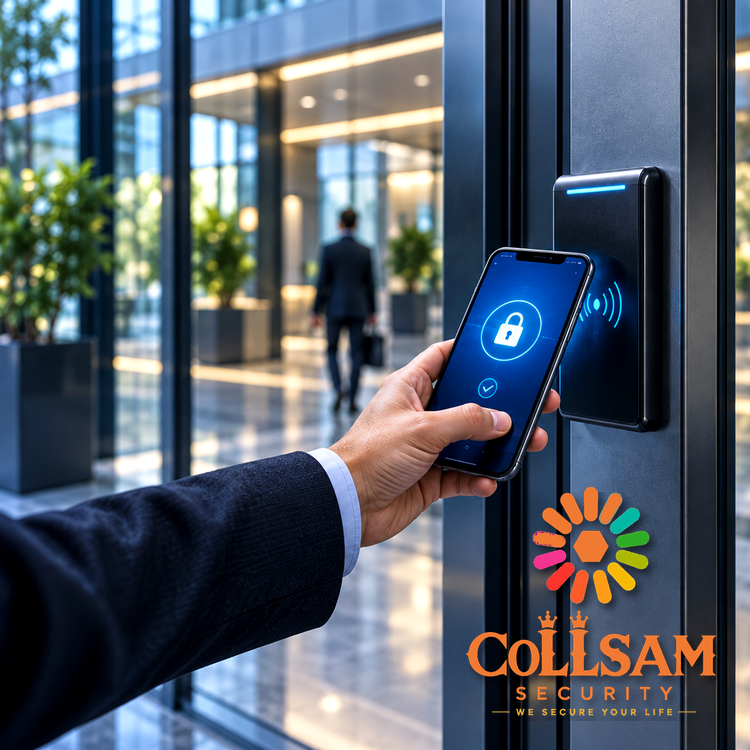 Mobile Credentials
Also, use approved smartphones as secure access credentials.
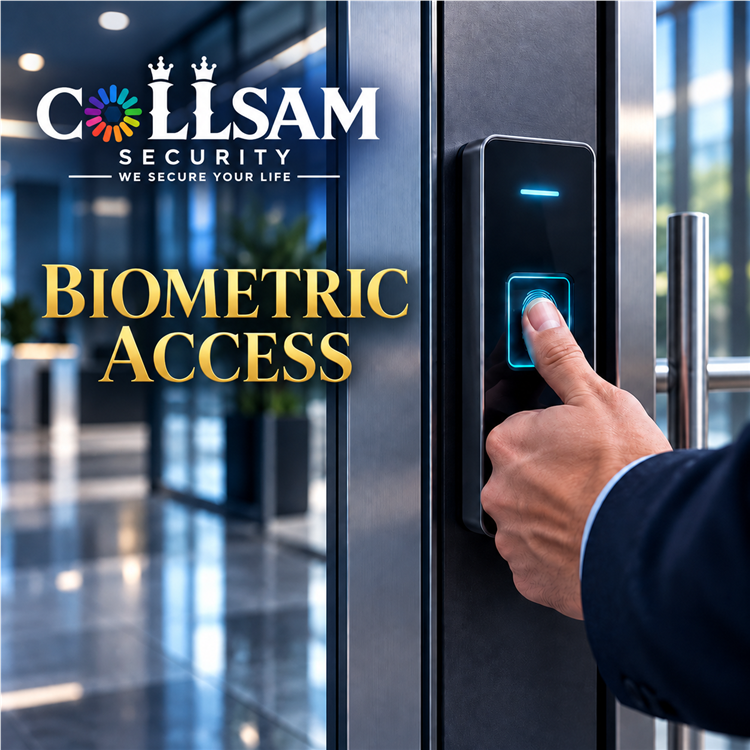 Biometric Access
Moreover, verifies identity through approved biometric characteristics.
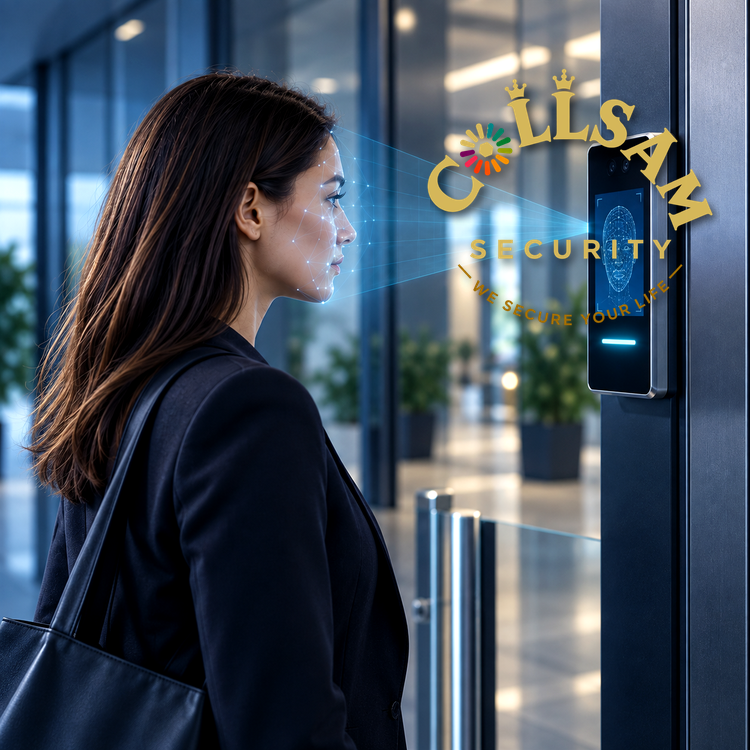 Facial Access
Meanwhile, supports touchless identity verification where permitted.
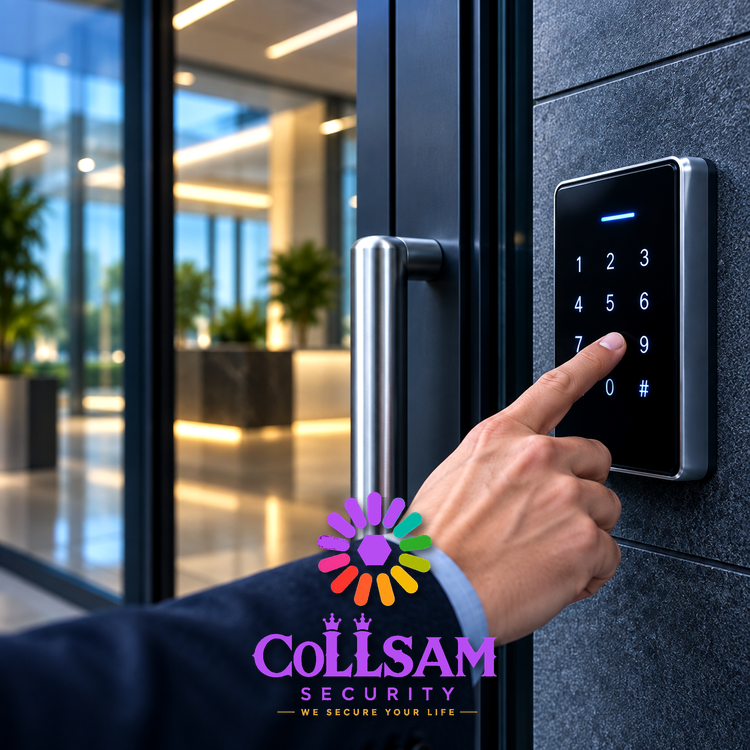 Keypad and PIN
Therefore, controls entry through personal or shared codes.
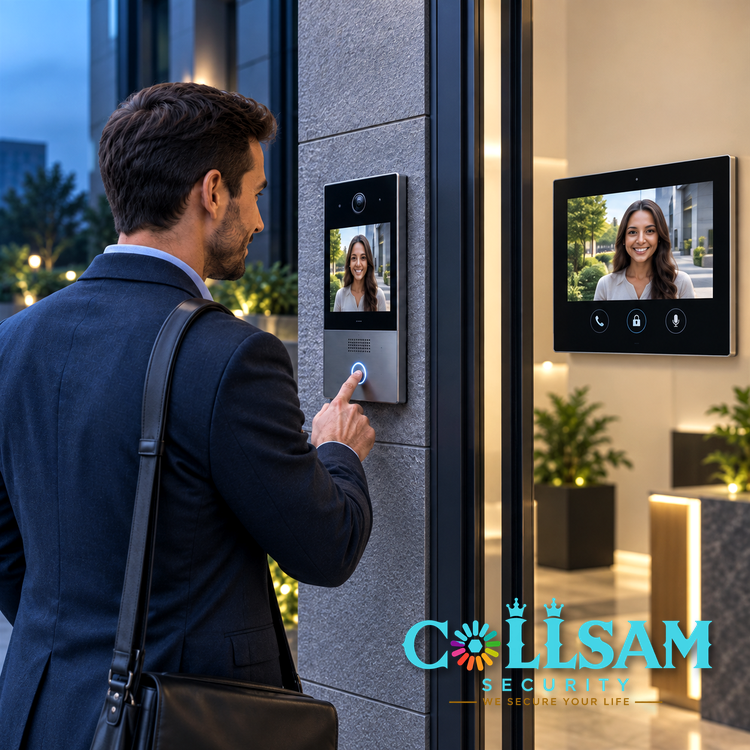 Video Intercom
Similarly, combines visitor communication with visual verification.
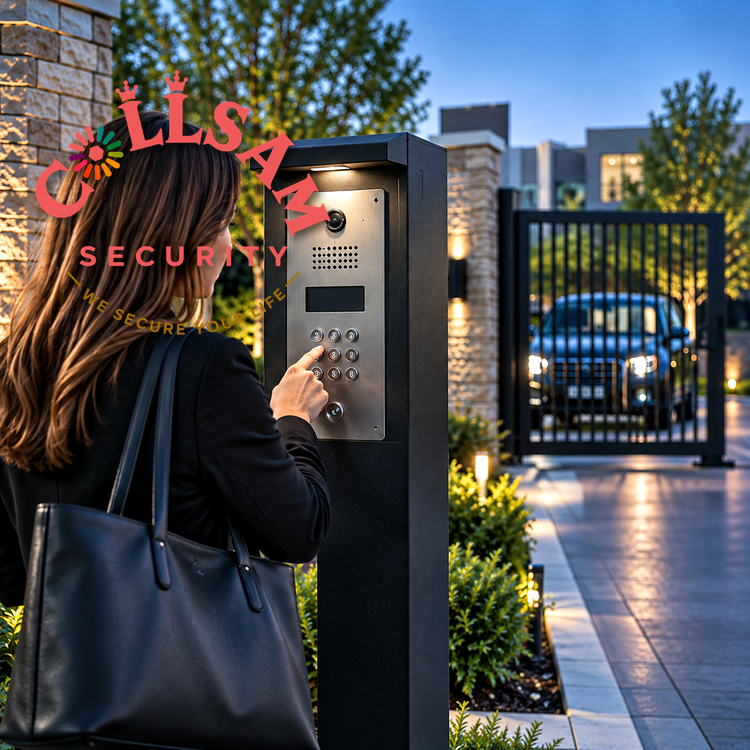 Telephone Entry
Next, connects visitors with occupants through telephone systems.
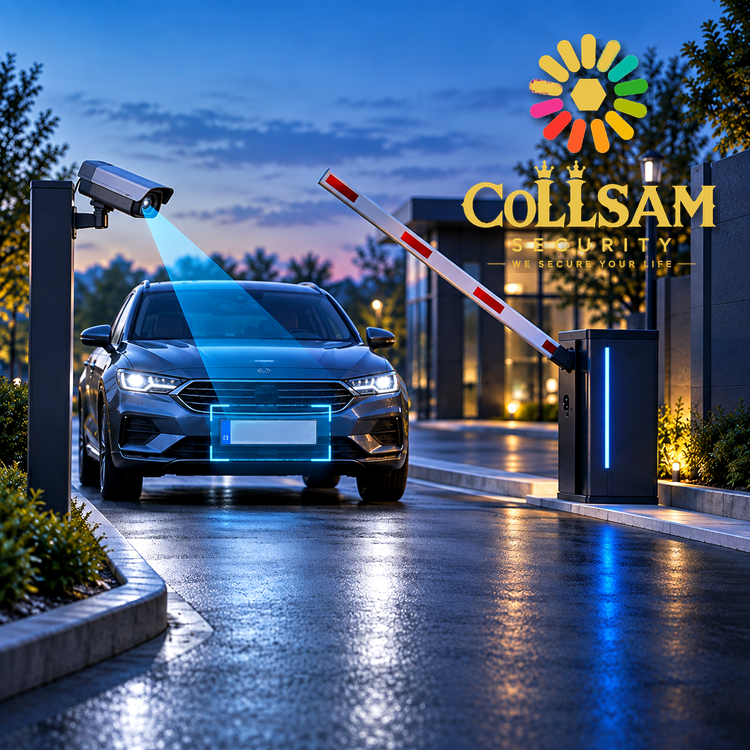 License Plate Access
Finally, automates vehicle entry using authorized plate data.
Design secure entry workflows
First, begin with each doorway or gate, its users, operating hours, threat level, and life-safety obligations. Decide how credentials are issued, changed, suspended, and removed. Document visitor, contractor, delivery, emergency, and after-hours procedures.
Access and entry technologies should use least-privilege permissions. Protect controller networks and administrator accounts. Review encryption, offline operation, event logging, backup power, tamper monitoring, and integrations with alarms, video, elevators, and building systems.
Hardware must match the opening. Confirm lock type, door construction, egress rules, accessibility, fire-rating restrictions, environmental exposure, and power requirements. Coordinate with qualified security, electrical, fire, and door professionals before installation.
Test authorized and denied entry, emergency release, communications, audit trails, and failure modes. Train operators and review access rights regularly so the system remains accurate as personnel and building use change.
 All Technologies