
AI and Video Analytics
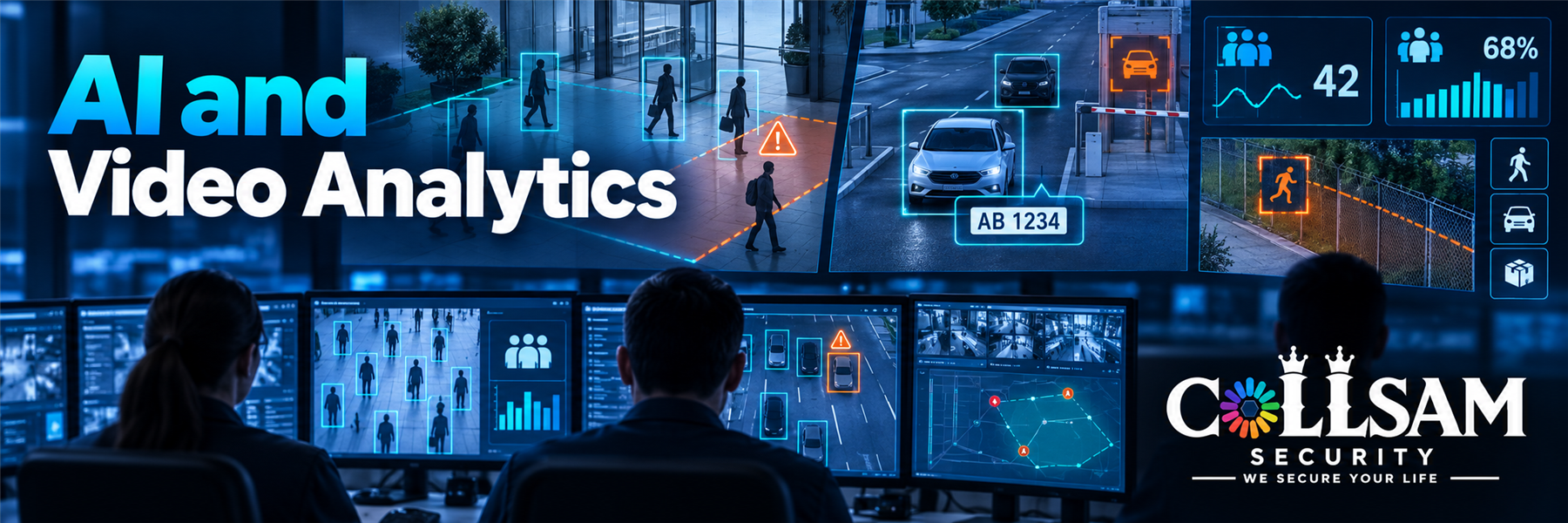
AI Video Analytics for Security Systems
AI video analytics help security teams detect, classify, count, and investigate events across surveillance systems. Instead of relying only on continuous human monitoring, analytics can identify configured activity and bring relevant video to an operator’s attention. Results depend on camera placement, image quality, lighting, network performance, processing resources, and correct configuration.
Explore AI video analytics technologies
 Human and Vehicle Detection
Distinguishes people and vehicles from general motion.
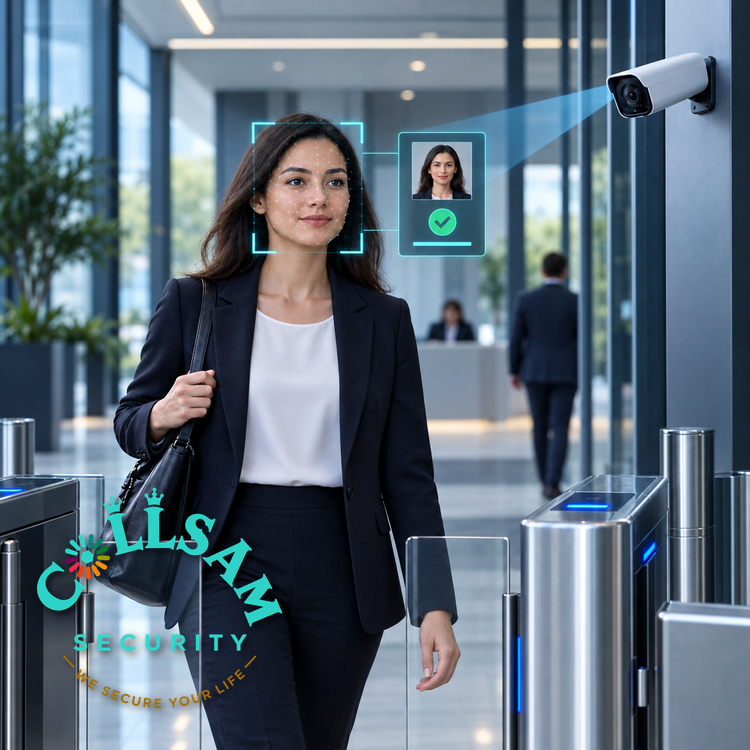 Facial Recognition
Compares detected faces with authorized reference data where permitted.
 License Plate Recognition
Captures and interprets vehicle plates for alerts and investigations.
 Perimeter Protection
Monitors defined lines, boundaries, and protected zones.
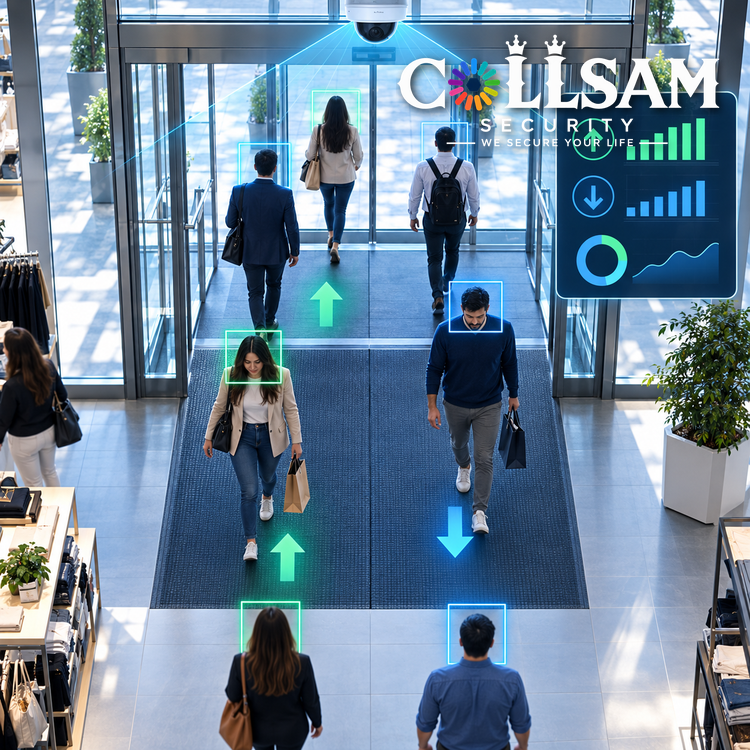 People Counting
Measures entrance, exit, direction, and traffic patterns.
 Occupancy Monitoring
Estimates the number of people using a defined space.
 Object and Behavior Detection
Detects configured objects, actions, loitering, removal, or scene changes.
Planning the system
Choose analytics according to the operational goal, not the feature name alone. Confirm whether processing occurs at the camera, recorder, server, or cloud service. Review resolution, frame rate, field of view, minimum subject size, environmental limitations, licensing, system capacity, and integration requirements. Test day, night, weather, crowd, and seasonal conditions before relying on an alert.
Security teams should document thresholds and response procedures, measure missed events and false alarms, and maintain human review for consequential decisions. Protect accounts, networks, recordings, biometric templates, and exported data. Establish retention limits and access controls that match the organization’s security and privacy obligations.
Responsible deployment
Use AI video analytics transparently and only for a defined purpose. Evaluate accuracy and potential bias in the real operating environment. Follow applicable privacy, accessibility, employment, civil-rights, and biometric-information requirements. The NIST AI Risk Management Framework provides a useful reference for managing AI-related risk.
A product belongs with an analytics capability only when its published specifications confirm support. Compatibility, accuracy, and available features can vary by model, firmware, license, region, and system design.
 All Technologies