
Alarm and Detection

Alarm and Detection Technologies
Alarm and detection technologies help organizations identify intrusion, hazards, distress events, and changing environmental conditions. A dependable system combines suitable sensors, secure communications, clear notification paths, and a response plan for the protected property.
Explore alarm and detection technologies
 Intrusion Detection
First, identifies unauthorized entry or movement.
 Perimeter Detection
Also, monitors fences, boundaries, gates, and outdoor approaches.
 Wireless Alarms
Moreover, provides flexible alarm devices where cabling is limited.
 Glass-Break Detection
Meanwhile, detects acoustic or shock signatures at protected glazing.
 Panic and Duress
Therefore, provides discreet methods for requesting emergency assistance.
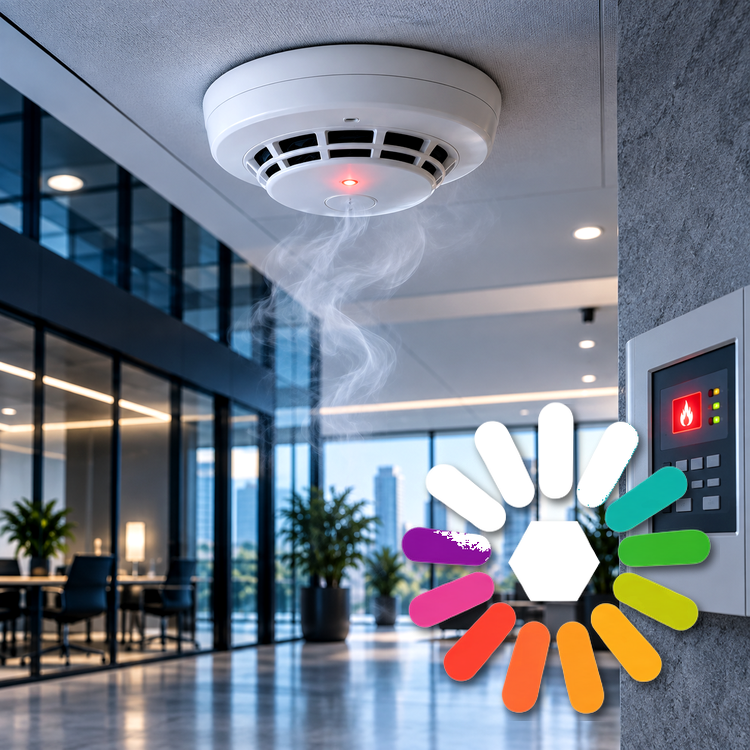 Fire and Smoke Detection
Similarly, supports early warning for smoke, heat, and fire conditions.
 Environmental Monitoring
Finally, detects water, temperature, humidity, gas, and facility conditions.
Plan the right detection system
First, start with a site assessment. Review protected areas, operating hours, occupancy, environmental conditions, communications, applicable codes, and the required response. Systems may operate independently or integrate with video, access control, intercoms, and monitoring platforms.
Choose sensors for the actual risk and environment. Confirm coverage, range, mounting, tamper resistance, supervision, battery life, backup power, and communications paths. Test nuisance-alarm sources and adjust settings without weakening protection.
Integration and response
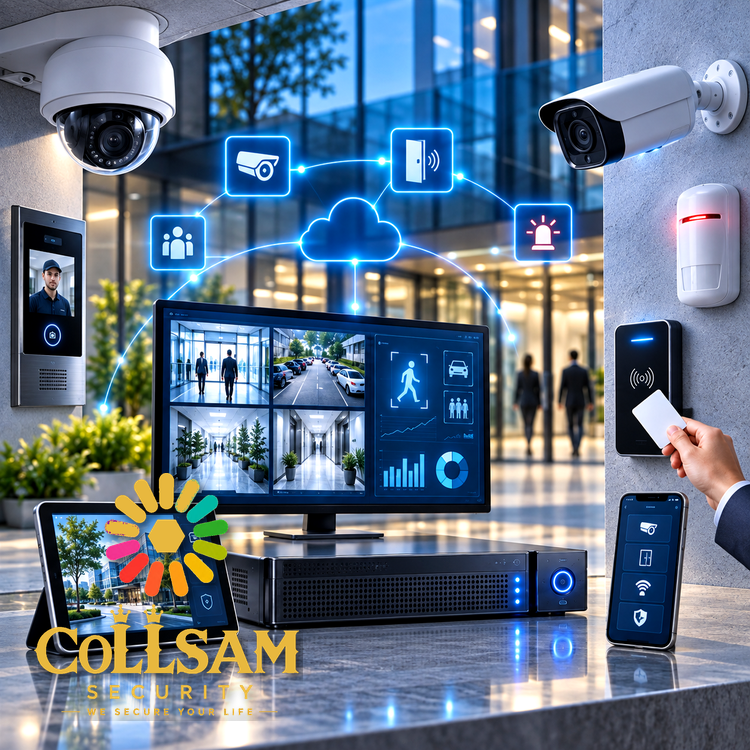
Alarm and detection technologies are most valuable when alerts reach the right people with useful context. An event may activate local sounders, notify a monitoring service, display associated cameras, control approved doors, and document activity for review.
Finally, define verification and escalation steps before deployment. Train operators, maintain call lists, test communication paths, inspect devices, and document results. Professional planning supports dependable operation while reducing unnecessary alarms.
 All Technologies