
Imaging
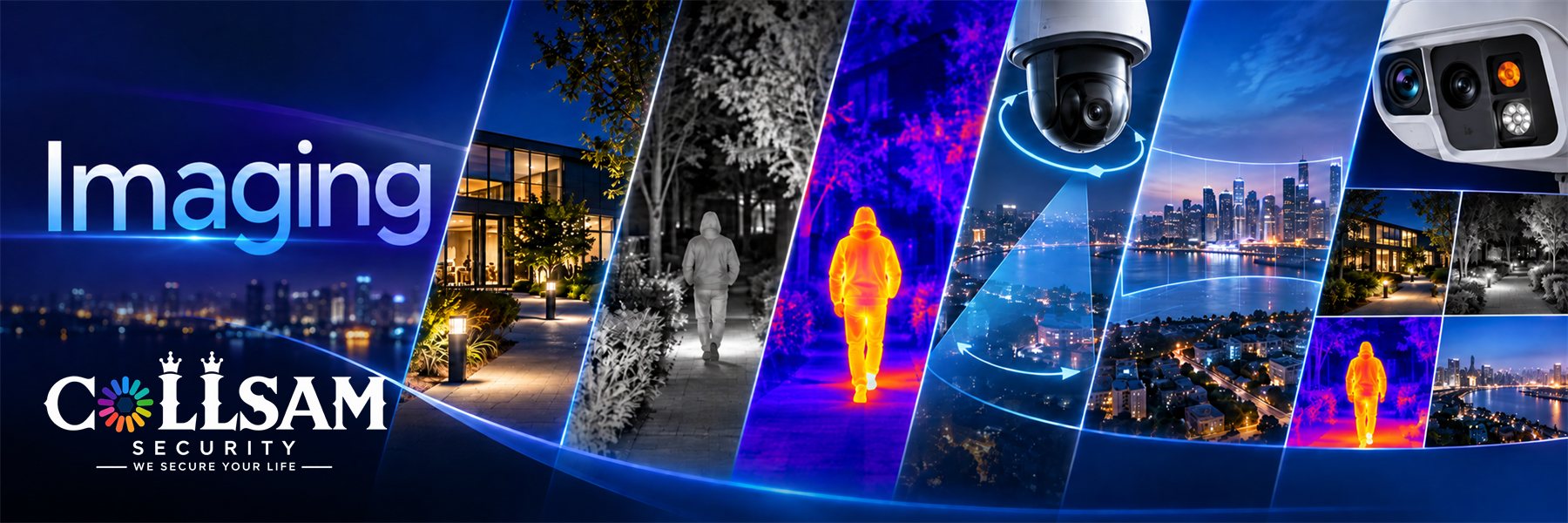
Security Imaging Technologies
Security imaging technologies shape how cameras capture usable detail across changing light, distance, temperature, and field-of-view conditions. The correct approach depends on the scene, identification needs, mounting position, environmental conditions, and how operators will use the images.
Explore imaging technologies
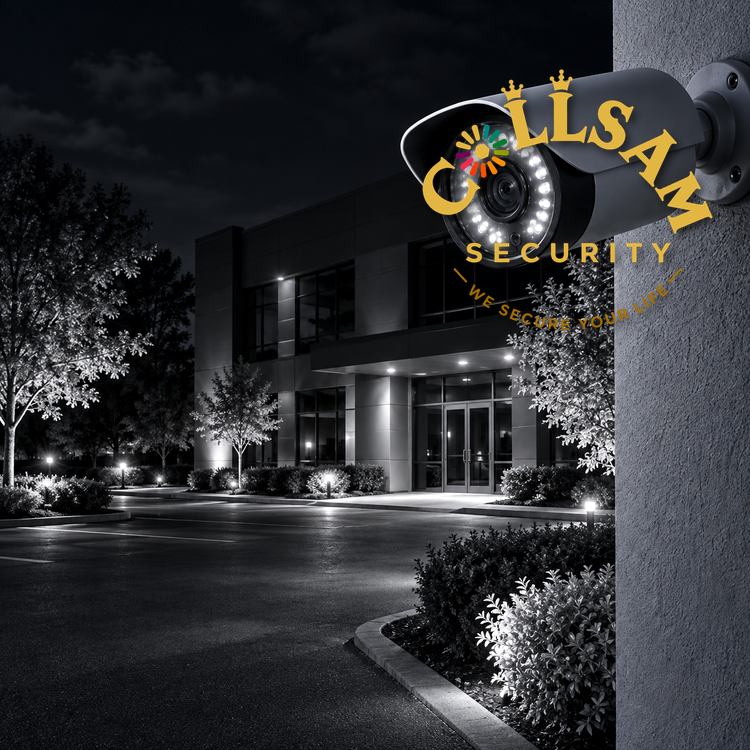 Infrared Night Vision
First, monochrome imaging is supported by infrared illumination.
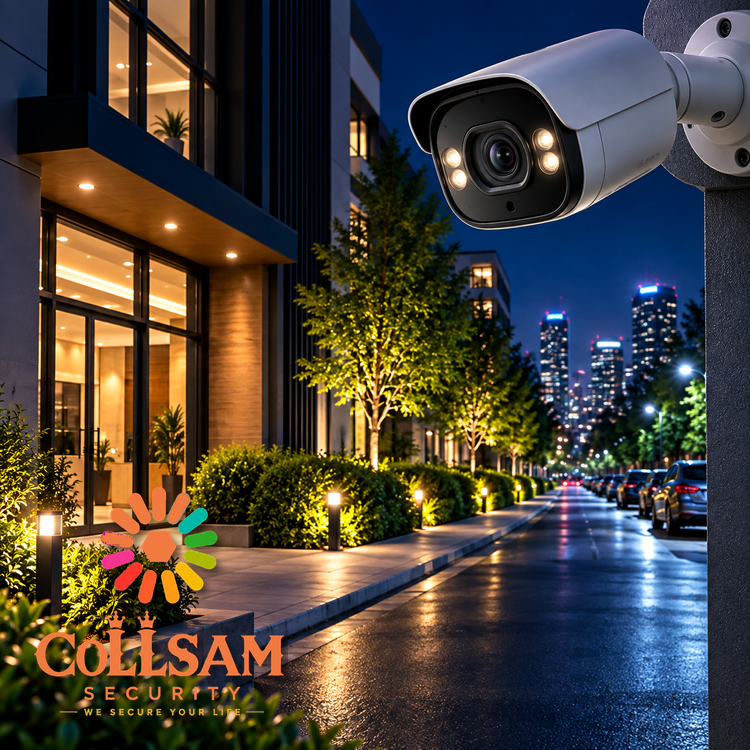 Full-Color Night Vision
Also, color images in low light using sensitive sensors and illumination.
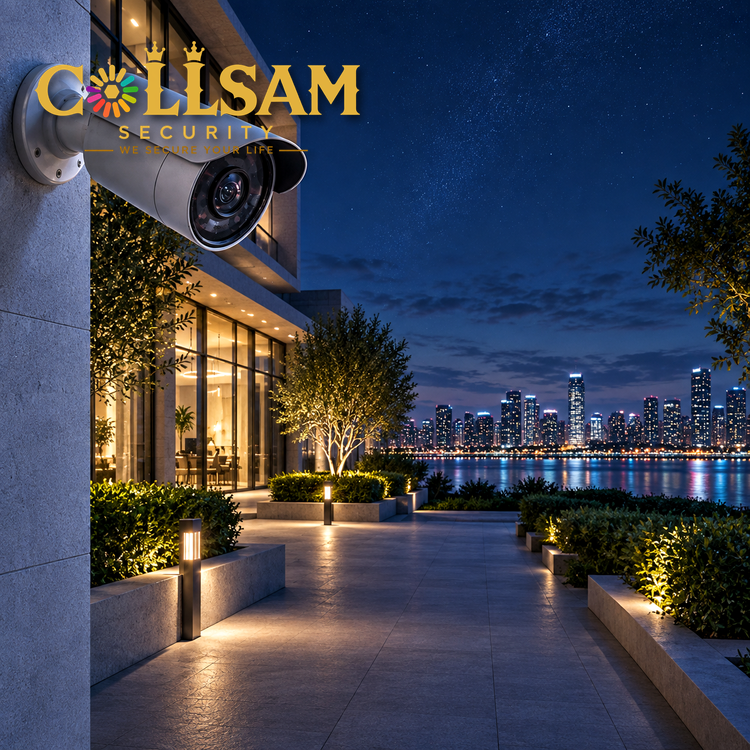 Starlight and Low-Light
Moreover, enhanced camera performance in dim scenes.
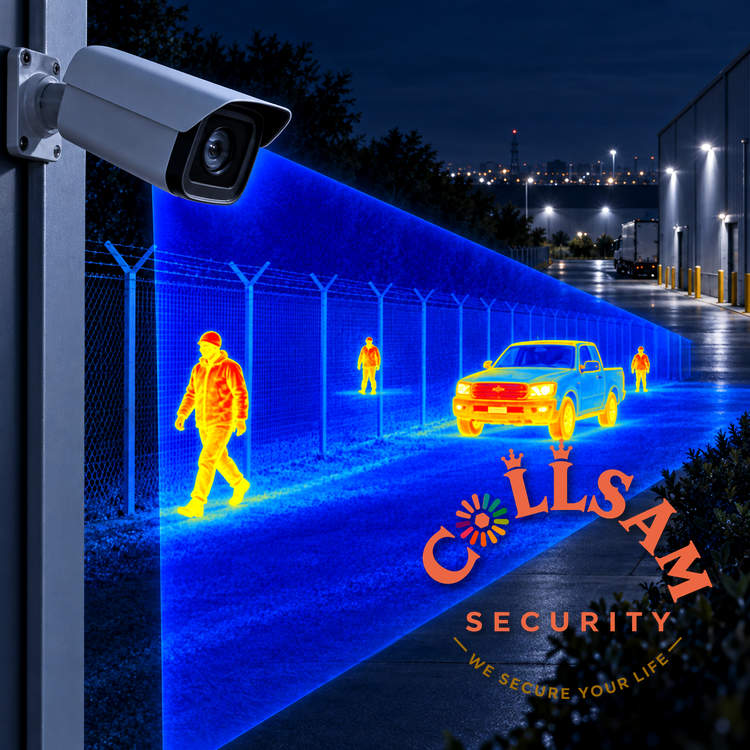 Thermal Imaging
Meanwhile, heat-based detection where visible detail is limited.
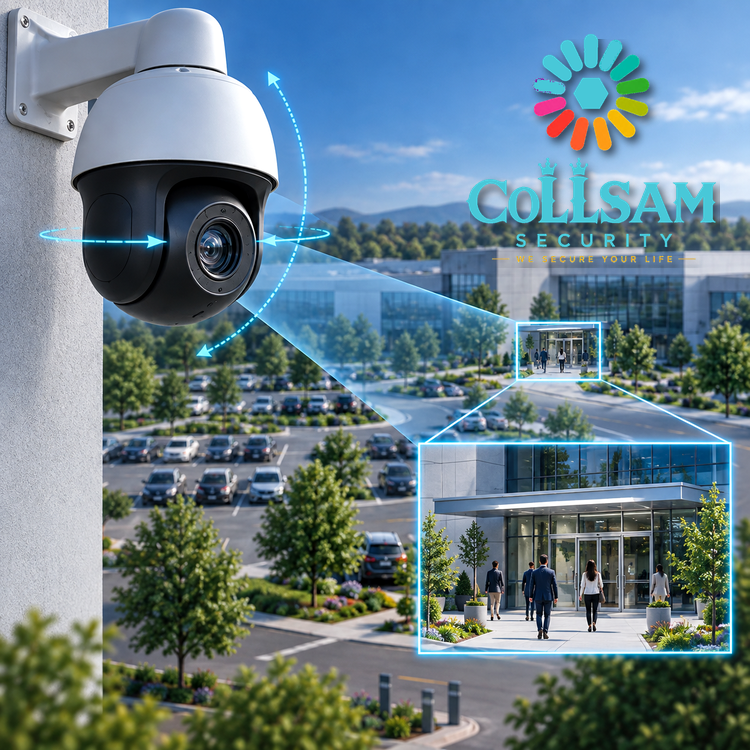 PTZ
PTZTherefore, remotely controlled pan, tilt, and zoom coverage.
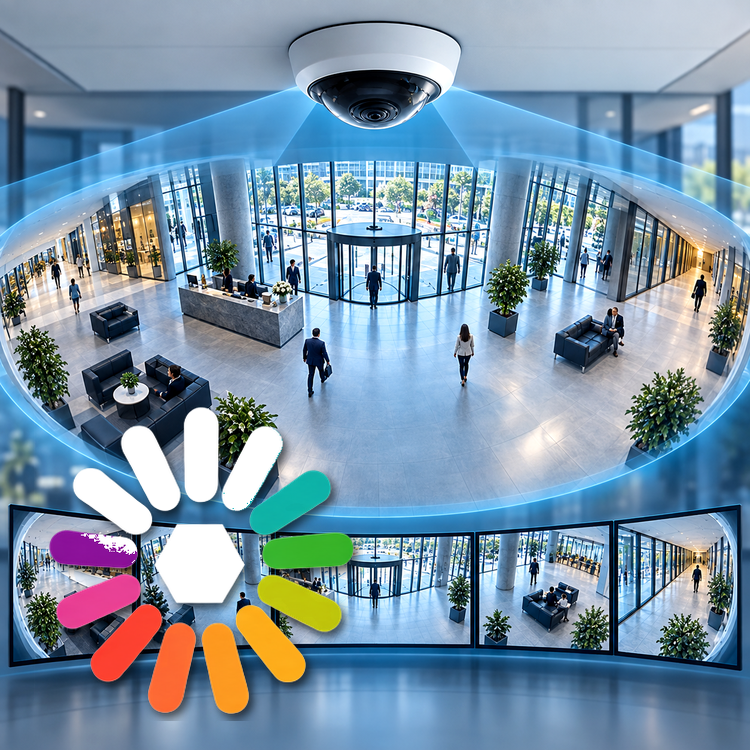 Fisheye and Panoramic
Similarly, wide-area views with fewer mounting points.
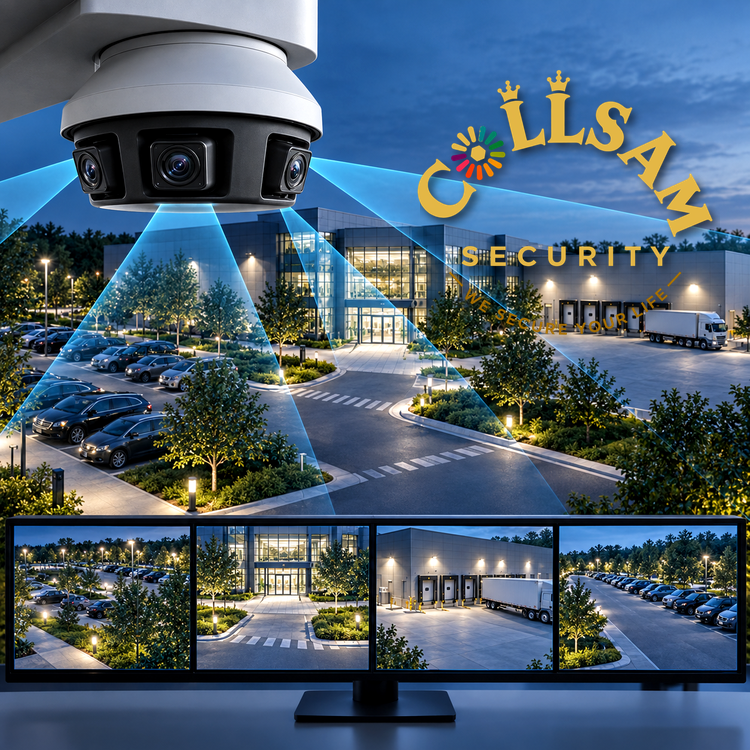 Multi-Sensor Imaging
Finally, coordinated sensors cover multiple directions.
Design for usable evidence
First, resolution alone does not guarantee useful images. Evaluate pixel density, lens selection, shutter speed, dynamic range, illumination, weather, mounting height, compression, and storage. Test representative day and night conditions before final acceptance. Consider the operational goal for every view: detection, observation, recognition, or identification. Match the camera, lens, mounting location, and lighting to that goal.
In addition, strong imaging design accounts for movement, backlighting, reflections, rain, fog, vegetation, and seasonal change. Operators need consistent views that support quick decisions without unnecessary complexity. Recording settings should preserve important detail while balancing bandwidth and retention requirements.
Next, confirm compatibility among cameras, recorders, analytics, displays, and management software. Document the approved settings and review image quality after installation. Periodic maintenance, cleaning, focus checks, and nighttime testing help preserve performance throughout the system life cycle.
Therefore, well-planned security imaging technologies give operators dependable visual information for live response, investigation, and long-term system management.
 All Technologies