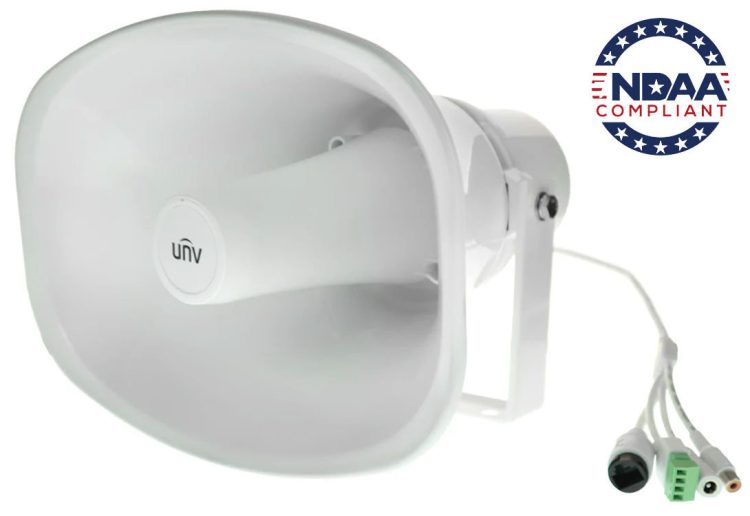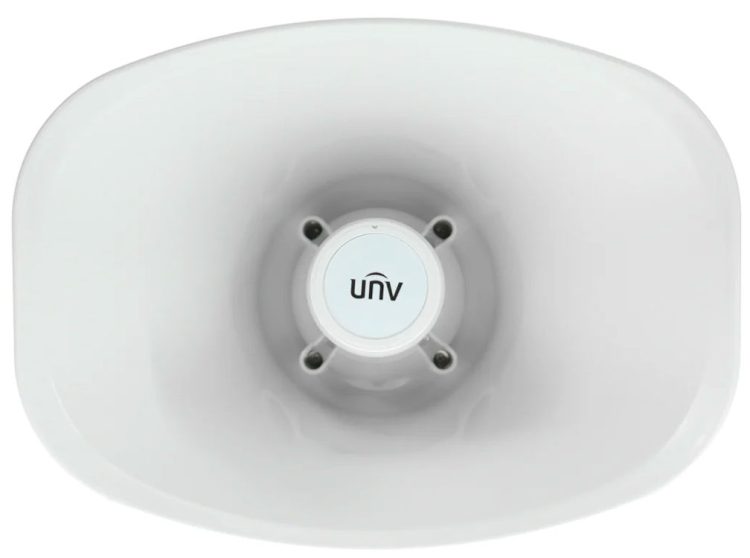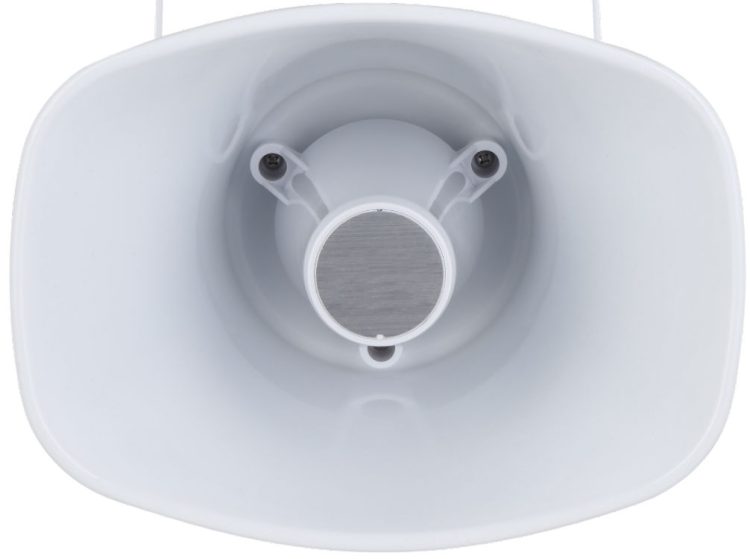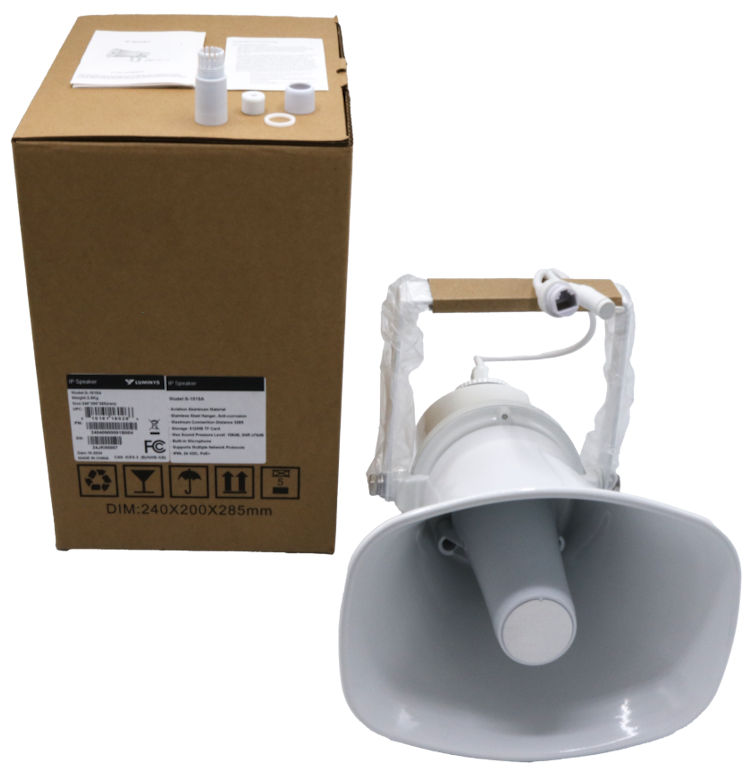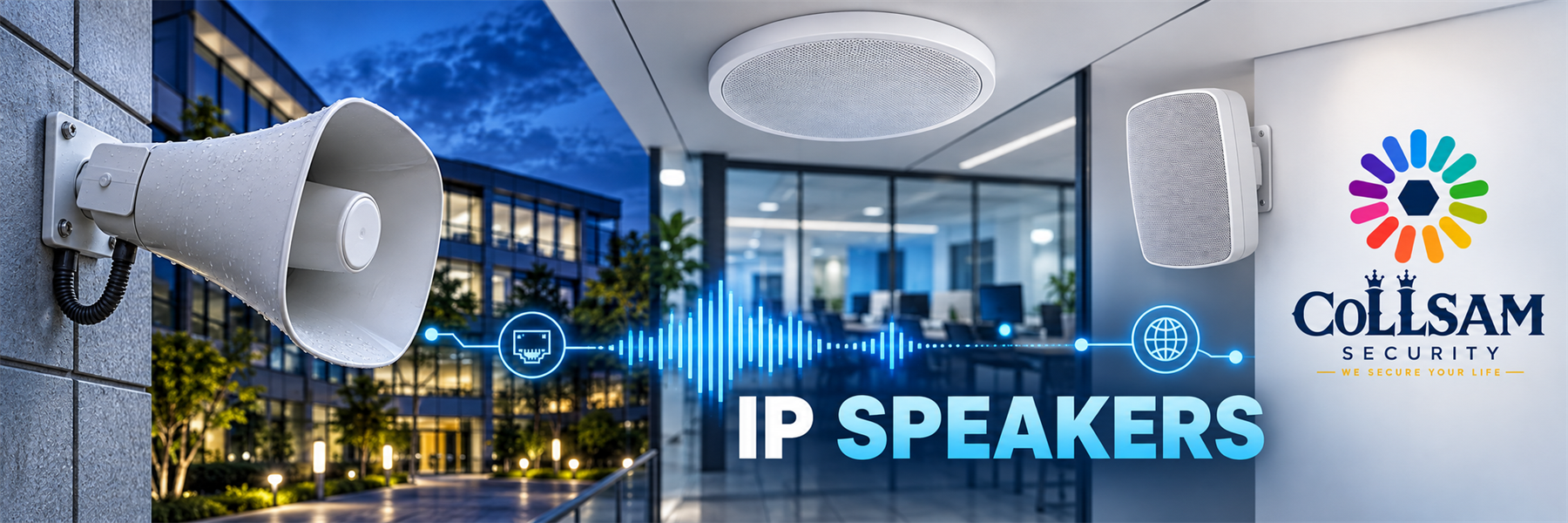
IP speakers put voice and sound on a data network. PoE speakers can use one cable for power and data. Network audio speakers can send clear pages to many rooms. IP horn speakers can push sound across large outdoor areas. Commercial IP speakers help staff share fast and clear alerts.
Also, each speaker acts as a node on the network. Many units have their own amp and sound controls. Therefore, setup depends on the model and site plan.
Use IP speakers in schools, shops, offices, clinics, and large work sites. For example, ceiling units fit rooms and halls. Wall boxes work well in open indoor zones. IP horn speakers serve gates, lots, yards, and docks. Before use, check the listed indoor or outdoor rating.
PoE speakers can be easy to add to a set LAN. Also, a PoE switch may send both power and sound data. Network audio speakers may also work with voice or safety tools. Furthermore, some units have a mic for live talk or help calls.
Commercial IP speakers can form zones for each floor or work area. Staff may send live pages or set timed messages. They may also change volume from approved software. This can aid clear steps during an alarm.
Choose by room size, mount type, and sound range. Check the PoE class and sound format. Review the software, talkback, and link options. For outdoor use, confirm the case rating. Plan network load and cable runs.
Collsam Security offers IP speakers for pro sound and safety jobs. Compare the fit, use, and key features of each model. Pick the right style for each zone. Then confirm that all parts work with your network. A good plan helps provide clear sound where people need it.