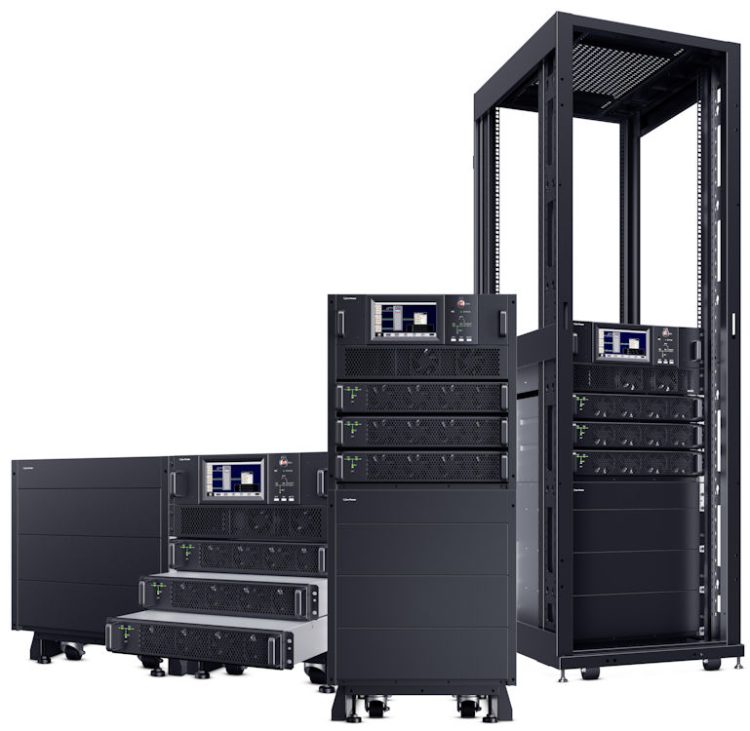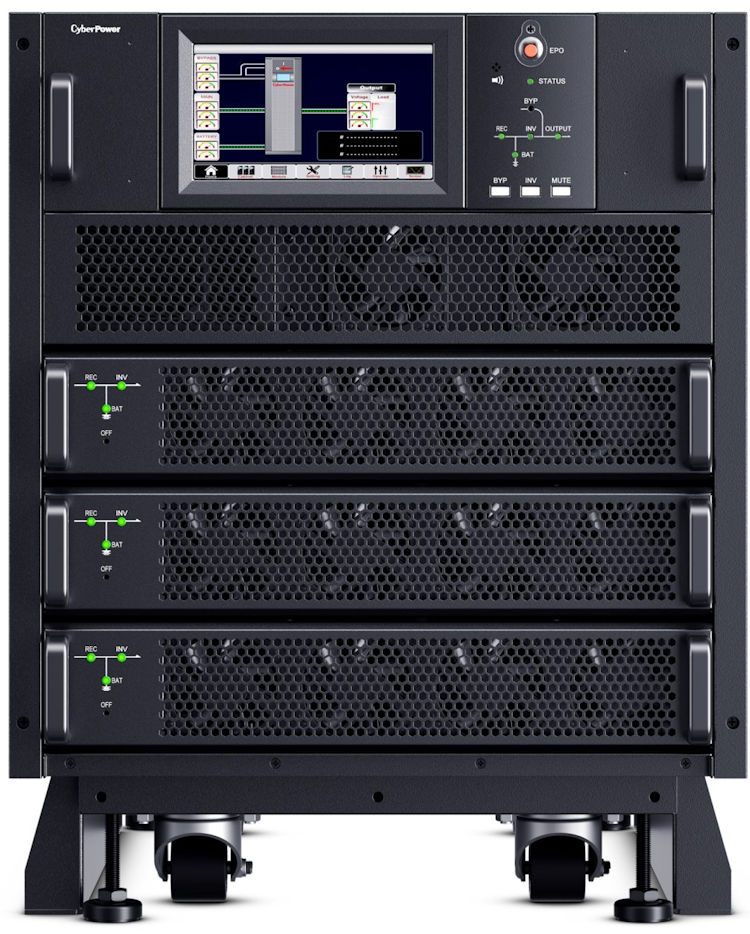
A 3-phase modular uninterruptible power supply (UPS) is designed to deliver highly resilient power protection for critical industrial environments and data centers. By dividing power management across multiple smaller, independent modules within a single chassis, it creates a flexible architecture that is easier to scale, maintain, and safeguard than a traditional monolithic UPS. This architecture is more adaptable. Further, it offers better ease of maintenance and added safety. This approach helps ensure that essential loads remain protected even when demand is high or operating conditions change.
One of the key advantages of a modular UPS is built-in fault tolerance. If one power module fails, the remaining modules instantly take over the load without interrupting power delivery. This eliminates a single point of failure and helps maintain continuous uptime for sensitive equipment, servers, and mission-critical industrial systems. The result is a more dependable power infrastructure that supports business continuity and operational stability.
Modular design also makes capacity expansion straightforward. Instead of replacing the entire system when power requirements grow, users can add new modules incrementally into the active chassis. As a result, organizations can align UPS capacity with actual demand. This reduces unnecessary upfront investment while preserving the ability to expand quickly as workloads increase. For fast-growing facilities, this scalability offers both financial and operational advantages.
Another important feature is active backup tolerance. These systems maintain an extra power module beyond the baseline load requirement, ensuring additional resilience in the event of a module issue or maintenance activity. Combined with live-swappable power modules, bypass mechanisms, and batteries, the UPS can be serviced while staying online. Thus, this minimizes maintenance risk and helps avoid downtime during routine repairs or component replacement.

 3-Phase UPS Systems, CCTV Power
SM020KAMFA
Original price was: $10,801.00.$9,993.95Current price is: $9,993.95.