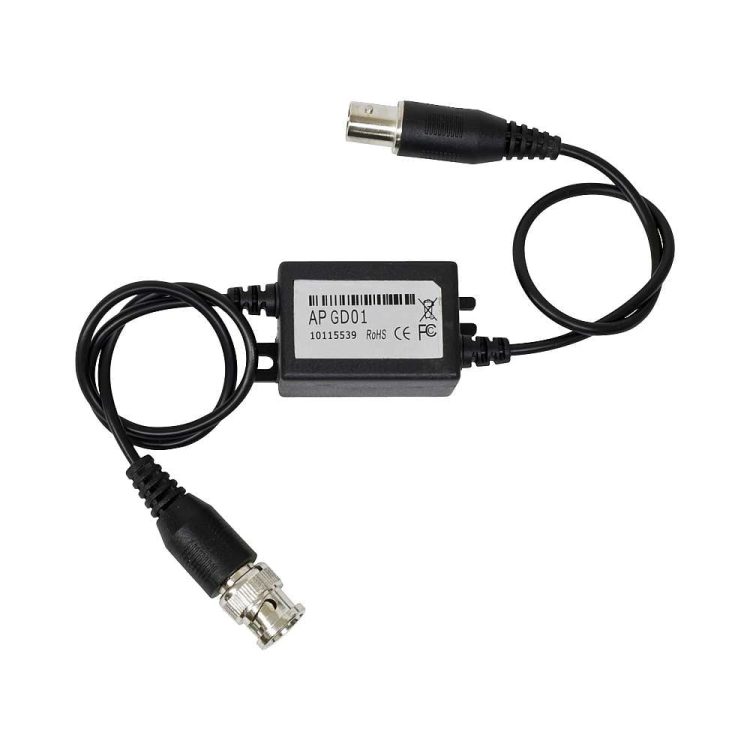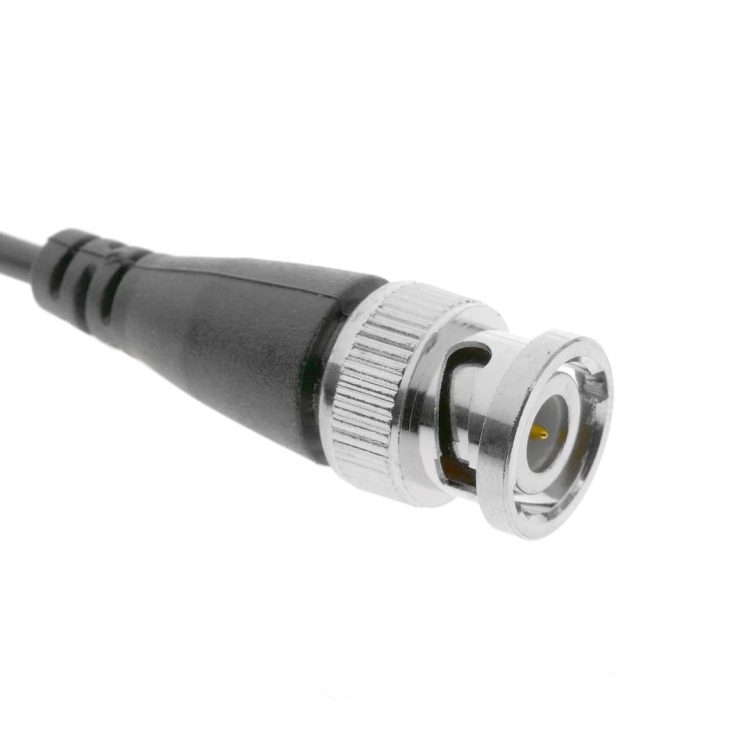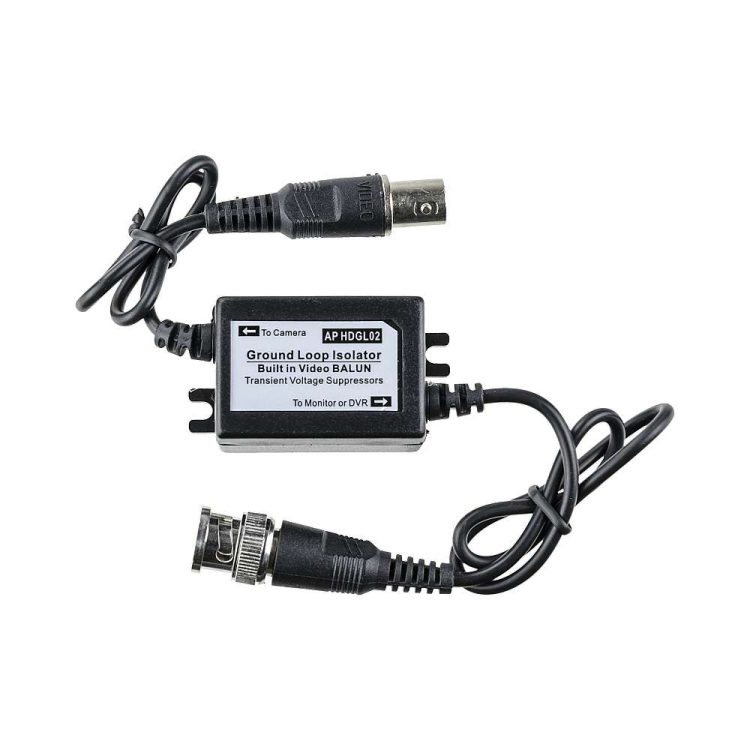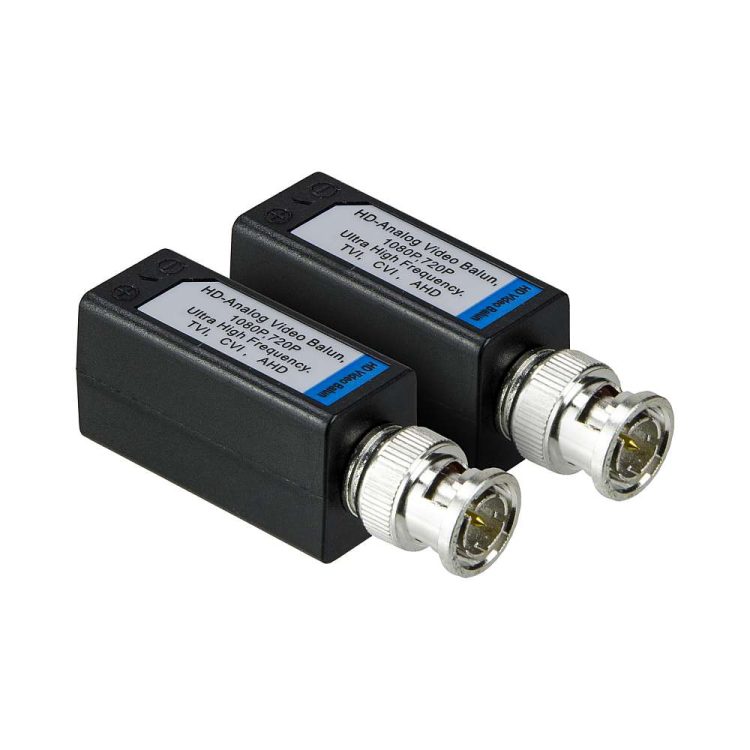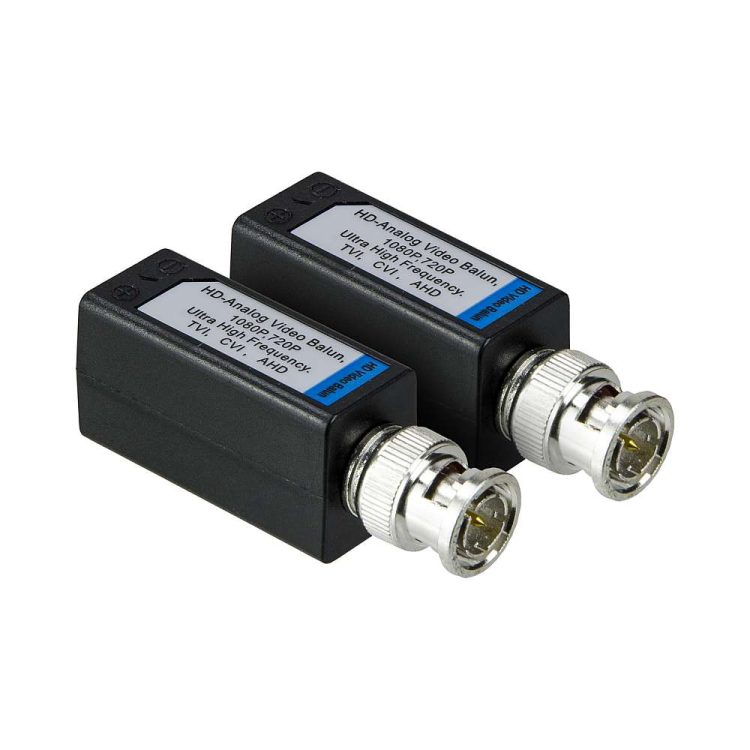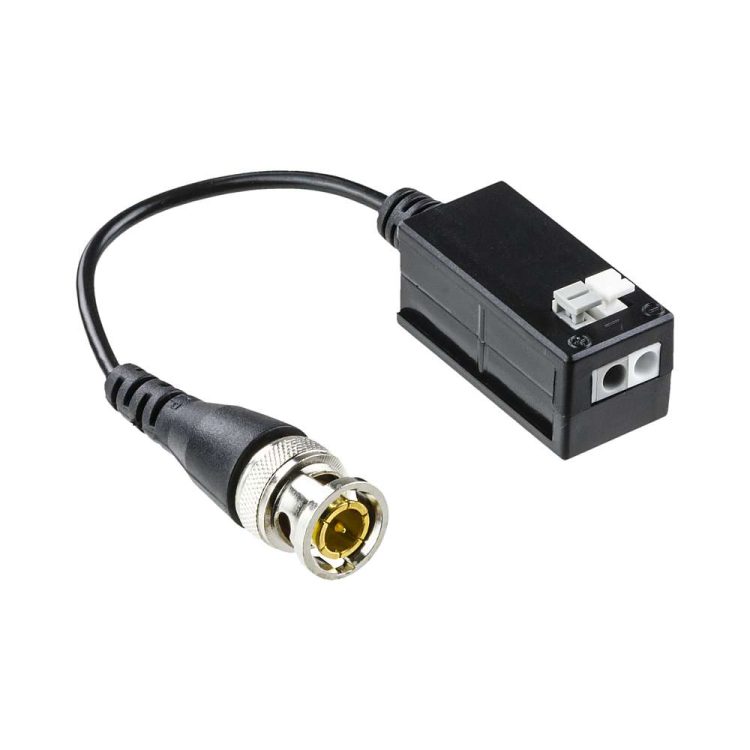
Balun pairs send a camera feed through a pair of wires. Camera balun adapters can link an analog camera to a DVR. UTP video baluns use pairs in Cat5e or Cat6 cable. Cat5e baluns suit jobs with network cable. BNC baluns fit gear with BNC ports. Use one unit at each end.
Camera balun adapters may help with a new wire run. Also, security camera baluns can use wire that is in place now. So, this may cut long coax runs. First, check the wire type and run length. Then check the video type for the camera and DVR.
UTP video baluns come in passive and active forms. First, a passive unit does not need power. Still, its range can change with the wire and video type. Yet, an active unit does need power. Then, check the model data sheet for its range.
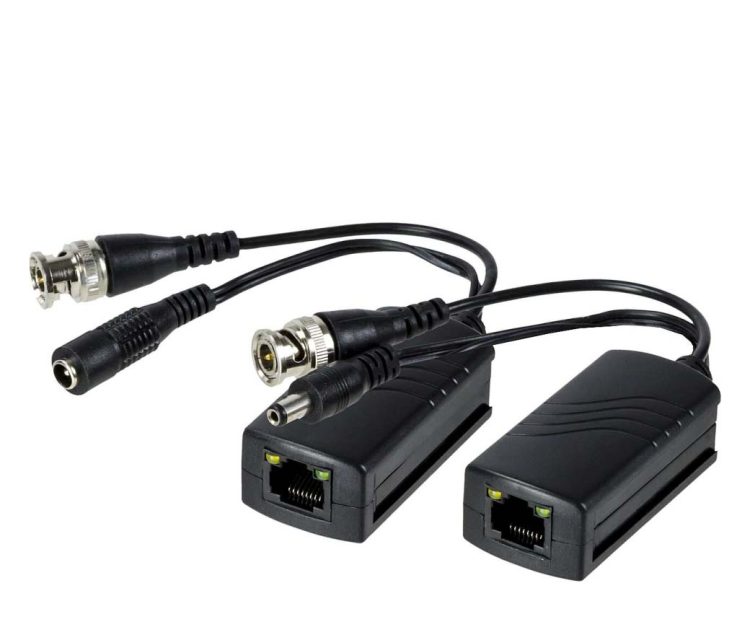
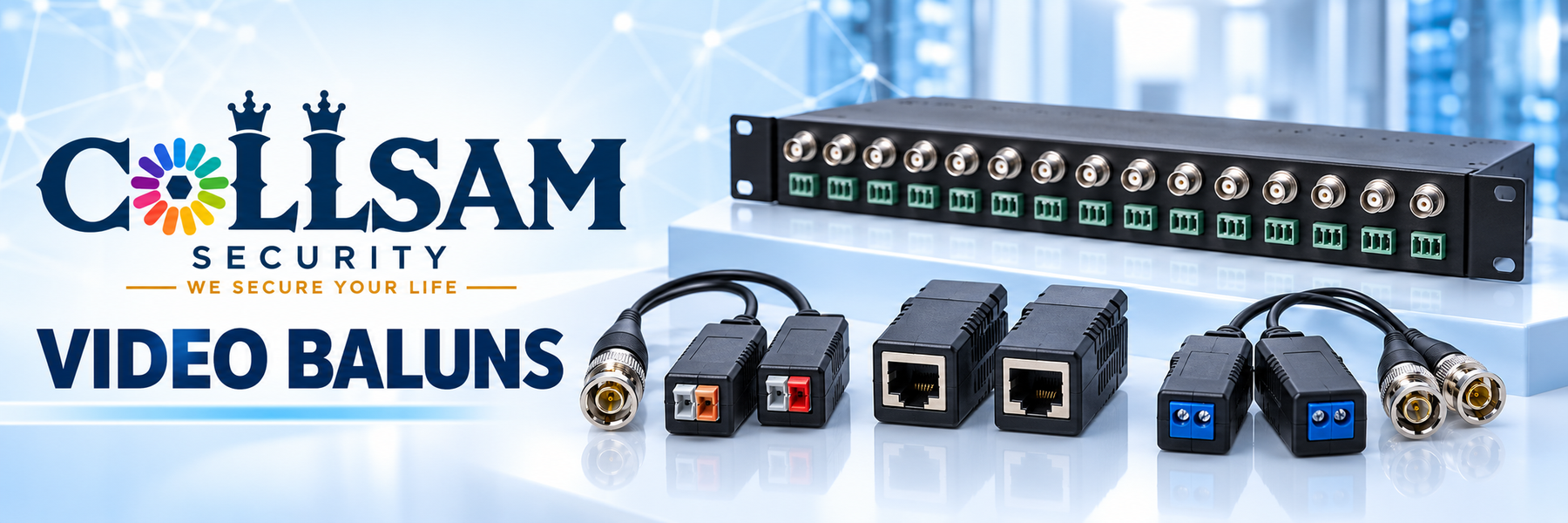
Cat5 video baluns can serve one or many feeds. For example, a small pair can serve one camera. Cat5 video baluns in a rack can serve many lines. Some sets pass power or control data on spare pairs. Not all sets can do this. Check each port and wire map before the job.
BNC video baluns must match the cable and the gear at each end. BNC video baluns can also use Cat6 cable. Keep each wire pair in the right pin slot. Do not mix pairs or leave a loose end. Good wire work keeps the feed clear.
BNC baluns may work with CVBS, AHD, HD-TVI, or HD-CVI gear. The unit must list the video type you use. The send and receive units must also match. Collsam Security offers these parts for CCTV work. Compare ports, feed count, power, and range. Then choose the right set.